
"global coffee geography"
80 article(s) found

History, geography and climate of coffee in Rwanda
Rwandans have been growing coffee since colonial times, but until 1999, its products were still classified as below Class C and were not popular in the global market. The reason for the poor quality is that farmers do not have a fixed procedure for washing coffee beans and do not process coffee fruits according to specifications in time. Buyers buy coffee beans at $0.33 per kilogram, and farmers keep warm by the meagre profits earned at low prices.

A brief introduction to the cultivation of St. Roman's boutique coffee beans with the scent of grass, geography, climate and altitude
Brazilian coffee fruit, a coffee producer, accounts for 1/3 of the world's coffee consumption and occupies a place in the global coffee market, although Costa Rica faces several times more natural disasters than other regions. but its acreage is enough to make up for it. There are many kinds of coffee here, but its industrial policy is abundant and cheap, so it is excellent.

The History of Coffee in Colombia the types and characteristics of Climate in Coffee growing areas
Colombian coffee, which accounts for about 12% of the world's coffee supply, is highly respected worldwide and is one of the major participants in the global coffee industry. The main reason is that the efficient infrastructure provided by rural farmers and the early growth of coffee exports in the region have made it a great power today. History and Geography of Colombian Coffee: the Origin Story of Colombian beans has been passed through several

Geography of Rwandan coffee beans what are the varieties of Rwandan coffee? Rwandan coffee flavor
Professional coffee knowledge exchange more coffee bean information please follow the coffee workshop (Wechat official account cafe_style) Rwanda coffee growing environment Rwanda is located in the heart of the interior of Africa, its mountain terrain is fertile land, as well as ancient traditional bourbon species, indicating that the natural environment needed to grow quality coffee beans can be found everywhere in Rwanda. Coffee was made in Germany in 1904.

A brief introduction to the cultivation of boutique coffee beans in Angola, which are almost impossible to buy, geography, climate, altitude.
In the 1970s, Angola produced about 180000 tons of commercial coffee per year. With an area of 161000 hectares and an annual output of 99550 tons, Uige Province is the largest coffee grower.

What is the difference in the flavor of coffee beans between the god of flowers and providence in the same coffee farm in Guatemala?
Professional coffee knowledge exchange more coffee bean information please pay attention to coffee workshop (Wechat official account cafe_style) Hua Shen is produced in Guatemala Antigua this unique area, it is the most famous production area of Guatemala, high altitude, unique volcanic soil, shade planting, so that coffee beans have a unique flavor, so that Raminita Group is willing to invest resources across borders

Costa Rican Coffee Story Bronka Treasure Manor Costa Rican Coffee Bean Geography
For the exchange of professional baristas, please follow the coffee workshop (Wechat official account cafe_style) Today, let's tell a story about the love and growth of coffee between Taiwan's bean-hunting team and Costa Rican manor owners. It was 2015, and when Lianjie's cup testing and purchasing team tested samples of the Costa Rican COE cup that year, they noticed a coffee with heavy honey treatment.
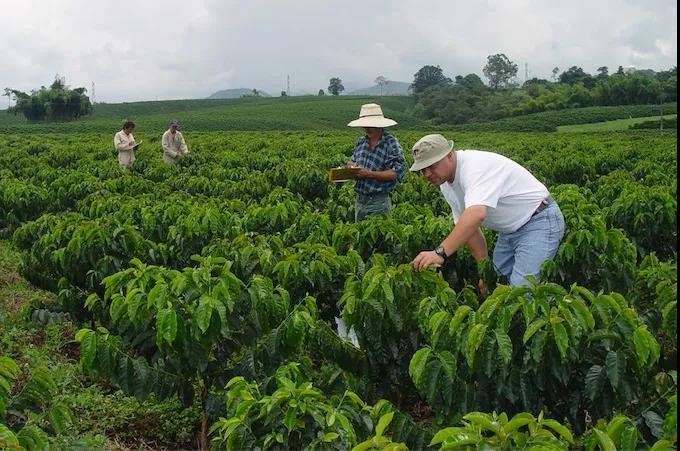
Will the rise in temperature caused by global warming affect the yield and quality of coffee beans in Colombia?
Professional coffee knowledge exchange more coffee bean information Please follow the coffee workshop (Wechat official account cafe_style) with global warming, Colombia, as the world's third largest coffee producer, will face the challenge of climate change. According to a study by the University of Illinois in the United States, coffee may no longer be grown in the low-altitude areas of Colombia. Coffee is widely grown in Colombia
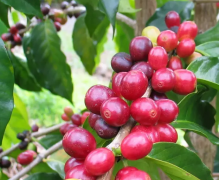
Hard coffee planting tips for a cup of coffee
Geographically, there are three global coffee growing areas: East Africa and the Arabian Peninsula, Southeast Asia and the Pacific Rim, and Latin America. Coffee grown in different regions has different flavors. The special soil, climatic conditions and planting methods of a country make the coffee produced in that country have a special flavor. French winemakers call this phenomenon regional style. In
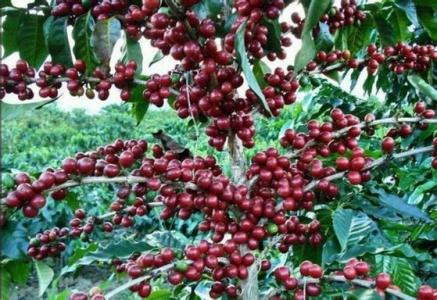
The first Asian Coffee Annual meeting was held in Mangshi, Yunnan.
China Economic News reporter Liu Ying reported that the first Asian Coffee Annual meeting was held in Mangshi, Yunnan Province on November 18-19, and Mangshi became the permanent venue of the Asian Coffee Annual meeting. This is the first time that the World Conference on Coffee Science has been held in an Asian country. More than 400 experts and scholars from nearly 60 countries and regions and coffee producers, entrepreneurs, scientific and technological workers and governments of some coffee producing areas in China

Brazilian Coffee introduces how to drink Brazilian coffee? Characteristics of Brazilian Coffee
Professional coffee knowledge exchange more coffee bean information Please pay attention to coffee workshop (Wechat official account cafe_style) Coffee varieties, geographical and climatic environment, soil texture, planting technology, harvest, processing methods, just like the results from the land, will directly affect the quality of raw coffee beans. Brazil, the world's largest coffee producer, covers both commercial and boutique grades

How much Brazilian coffee beans yield Brazilian fine coffee beans flavor characteristics brewing parameters Suggestions
Professional coffee knowledge exchange More coffee bean information Please pay attention to coffee workshop (Weixin Official Accounts cafe_style) Coffee varieties, geography and climate environment, soil texture, planting technology, harvesting, processing methods, just like the results of soil cultivation, will directly affect the quality of coffee beans. In addition to Colombia, Brazil is another big coffee country in South America. Brazil is the world

Don't say you know coffee if you haven't read it! Seven must-read Bibles in the coffee world!
For the exchange of professional baristas, please follow the coffee workshop (Wechat official account cafe_style) 1. "World Coffee Map" James Hoffmann | Building block culture through the analysis of the global coffee production map, and then provides the characteristics of producing areas, planting methods, aggregation of key elements that affect the flavor of coffee, with clear charts, analysis and excellent pictures to recreate the coffee culture completely.

The astringent coffee, the bitterness of the world
When we pick up a latte or cappuccino, how much do we know about the origin of different coffees and the hard work? Dean Saikang, a human rights lawyer who advocates fair trade in coffee and runs a conscience business, not only focuses on the price, but also walks into the village to buy coffee-making machines and improve the water system for coffee-growing villagers. This book

I haven't read these 7 must-read bibles in the coffee world, and I dare not say that I understand coffee!
Professional barista communication, please pay attention to coffee workshop (Weixin Official Accounts cafe_style ) 1. World Coffee Map by James Hoffmann| Building block culture through the analysis of the global production of coffee map, and then provide the characteristics of the production area, planting methods, the key elements of the impact of coffee flavor, with clear charts, analysis and brilliant pictures, the coffee culture will be completely reproduced,

Starbucks coffee beans made in China
Follow Cafe (Wechat official account vdailycom) found that Starbucks has opened a small shop of its own, launching the first Starbucks Yunnan coffee bean, which is made in a single producing area in China, and has been on the market for a limited time this Spring Festival. This coffee uses 100% high-quality Arabica coffee beans grown in Yunnan, which pours Starbucks' enthusiasm for preferred coffee and is the Starbucks Cloud.
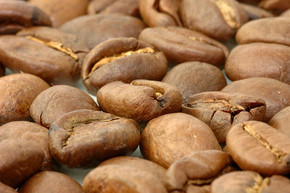
Introduction of Starbucks Yunnan coffee beans, the quality of Starbucks Yunnan coffee
Following Kaiping (official account vdailycom of Wechat) found that Starbucks opened a small shop of its own, Starbucks' first coffee bean from a single producing area in China, Starbucks Yunnan coffee beans, which went on sale simultaneously in all Starbucks stores in China on January 3, 2017. This coffee uses 100% of the high-quality Arabica beans grown in Yunnan and pours Starbucks' preference for preferred coffee.

Coffee beans from a single producing area in China, Starbucks will tell the story of Yunnan.
Follow Cafe (Wechat official account vdailycom) found that Starbucks has opened a small shop of its own and launched the first Starbucks Yunnan coffee bean, which is made in a single producing area in China, and has been on the market for a limited time this Spring Festival. This coffee uses 100% high-quality Arabica coffee beans grown in Yunnan, and is carried by Starbucks Yunnan Coffee growers support Center and local coffee farmers.

Brazil, the representative country of coffee farm industrialization-- Wang ce's trip to coffee producing areas
Professional coffee knowledge exchange more coffee bean information please follow the coffee workshop (Wechat official account cafe_style) in July 2017, I embarked on a coffee farm trip from Taiwan to Brazil. It takes about 80 hours to get to and from Mo, and before takeoff we also learned that Typhoon Nisha would make landfall on our return trip. A trip to explore the front line of the coffee industry is full of flavor.

Starbucks coffee beans Yunnan
Tong Aaron, director of Starbucks Yunnan Coffee grower support Center, said that coffee lovers with keen taste can easily capture the charming and mellow aroma of Starbucks Yunnan coffee beans. This single-growing coffee, made of 100% high-quality Arabica beans grown in Yunnan, is processed by washing, moderately roasted, has a slight acidity, accompanied by a soft herbal flavor and a round taste.